The Sales Professional's Blind Spot: Why Natural Charm Won't Win You That Dream Job
By Cord Harper, CEO of Endeavor Agency
Walk into any VP of Sales interview, and you'll witness a curious phenomenon—highly successful professionals who've closed million-dollar deals and led teams to record-breaking quarters fumbling through basic interview questions with all the polish of a nervous college grad.
The irony is striking. These are individuals who can read a room, pivot a pitch mid-conversation, and build rapport with a skeptical CFO in under five minutes. Yet when it comes to a sales leadership interview for their next role, many approach it with the dangerous assumption that their communication skills will carry them through.
They won't.
Why Director of Sales Interviews Are More Competitive Than You Think
Here's the uncomfortable truth that sales professionals often overlook: when a great company posts an opening for a well-compensated sales role in a growing industry, they're not choosing between a charismatic closer and a bumbling amateur. They're choosing between twenty charismatic closers.
Every candidate sitting in that waiting room (virtual or otherwise) can sell. Every single one has a track record of building relationships, overcoming objections, and driving revenue. These aren't just baseline skills for sales professionals. They're the price of admission to the interview itself.
The company isn't looking for someone who can communicate well. They're looking for someone who can communicate well about themselves, their accomplishments, and their fit for this specific role at this specific moment.
That's a different skill entirely.
Why Top Sales Leaders Fail Interviews Without Preparation
Sales professionals fall into a particular trap. Years of success have taught them to trust their instincts, to think on their feet, to wing it when necessary. In deal-making, this adaptability is an asset. In interviewing, it's often a liability.
Consider what happens when a talented salesperson walks into an executive sales interview unprepared:
- They ramble through the "tell me about yourself" question, touching on everything from their college major to their current hobbies, never quite landing on a compelling narrative.
- They answer "describe a time you overcame a challenge" with the first story that comes to mind, not the one that best demonstrates leadership under pressure.
- They forget to quantify their achievements, or worse, they share numbers without context that makes them meaningful.
Most critically, they fail to connect their experience to what this company actually needs. Because they haven't done the work to understand what that is.
How Successful Sales Leaders Prepare for Director & VP Interviews
The sales professional who lands the role doesn't just show up confident. They show up prepared in ways that most candidates simply don't consider:
- They've researched not just the company, but the specific challenges facing their sales organization right now.
- They've studied the LinkedIn profiles of their interviewers and identified points of connection.
- They've crafted three to five core stories that demonstrate different competencies, and they've practiced telling them in under two minutes each.
- They've anticipated the tough questions—the gap in their resume, the quota they missed, the team member they had to let go—and developed honest, thoughtful responses that acknowledge reality while demonstrating growth.
- They've prepared intelligent questions that signal they're already thinking like an insider, not an outsider hoping to get in.
- They close the interviewer effectively to demonstrate they have the core skills to do the job.
- Most importantly, they've practiced all of this out loud, repeatedly, until it feels natural rather than rehearsed.
The Value of Interview Coaching for Sales Leadership Roles
This is where working with a professional interview coach becomes transformative rather than optional.
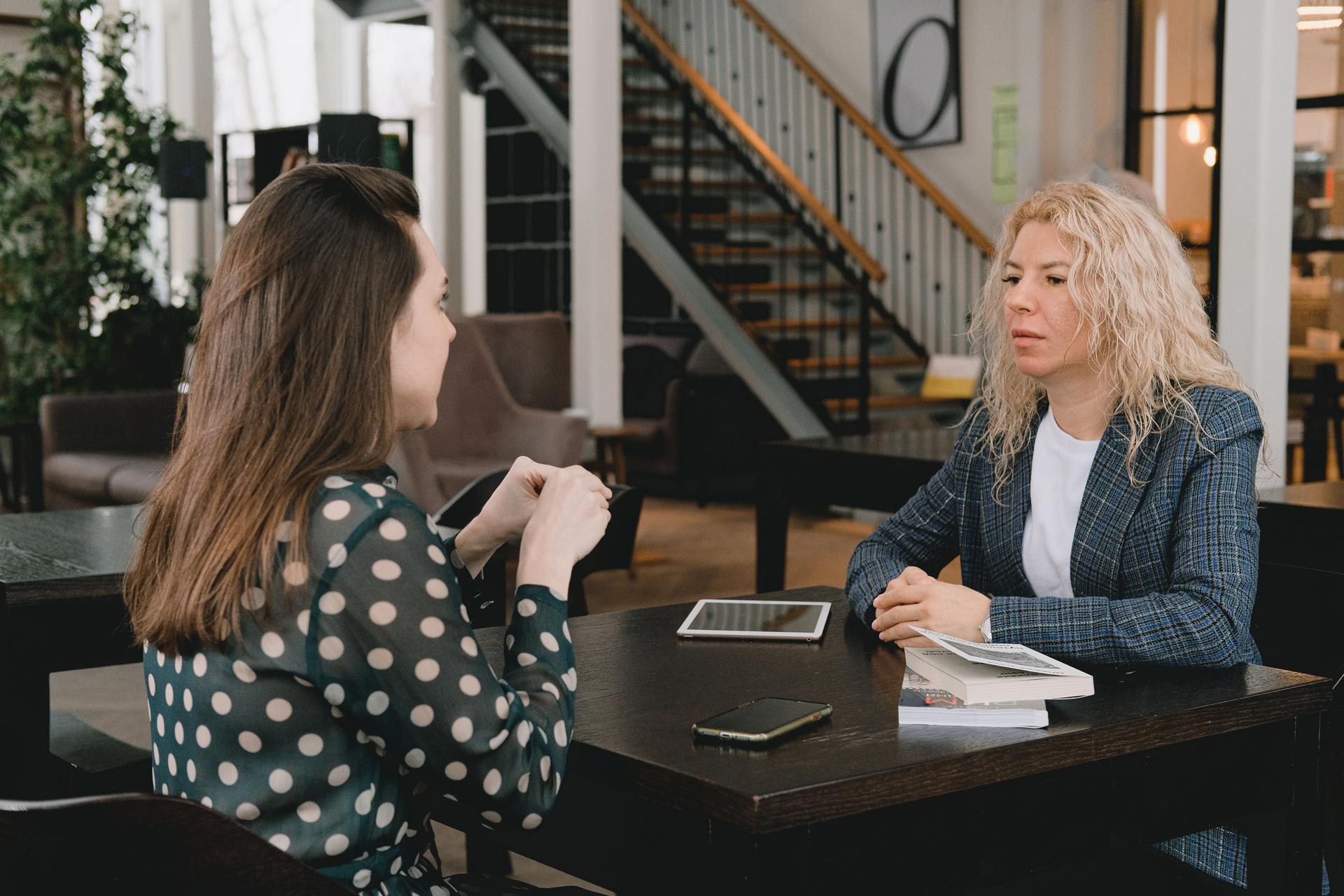
A good coach does what even the most self-aware sales professional struggles to do for themselves—identify the gaps between your self-perception and how you actually come across. They catch the verbal tics, the deflating body language, the moments where you undersell your own achievements or oversell in ways that feel desperate rather than confident.
They help you craft answers that feel authentic while hitting every key point a hiring manager needs to hear. They simulate the pressure of a real interview until your responses flow smoothly even when you're nervous. They teach you how to redirect a question that's going off track, how to recover from a stumble, how to close the interview as effectively as you'd close a deal.
Perhaps most valuable, they help you see that interviewing isn't just selling. It's a specific type of selling, with its own rules and rhythms, and treating it like any other sales conversation is a fundamental category error.
The Stakes Are Higher Than You Think
When you're competing for a leadership role that could define the next five years of your career, one that comes with equity, a strong team, and a product people actually want to buy, the margin between success and failure is razor-thin.
The hiring manager won't remember that you're "probably great" once you get comfortable. They'll remember that the candidate before you told a more compelling story, demonstrated clearer strategic thinking, and made them feel more confident about their decision.
Your natural talents got you in the room. But in a field full of naturally talented people, preparation is what separates the winner from everyone else who was "also really strong."
Interviewing for VP of Sales Is a Skill—Not a Personality Trait
Sales professionals spend their careers understanding that success comes from preparation, not just personality. They research prospects, refine pitches, practice objection handling, and constantly improve their craft.
Yet many approach the most important sale of their career—selling themselves—as if charm alone will be enough.
It won't be. Not when everyone else is charming too.
The dream job goes to the person who respects the sales leadership hiring process enough to master it. The person who understands that being a great communicator and being great at interviewing are related but distinct skills. The person who combines their natural talents with the discipline of rigorous preparation is the one who claims the prize.
In other words, it goes to the person who treats their sales executive job search like the high-stakes sales campaign it actually is, and brings in expert help to maximize their chances of closing the deal.
Why do strong sales leaders struggle in interviews?
Many high-performing sales professionals rely too heavily on natural communication skills, underestimating how structured, competitive, and narrative-driven leadership interviews actually are.
Why is interviewing for VP of Sales different from selling?
Interviewing for VP of Sales is not about persuading a buyer. It’s about demonstrating strategic thinking, leadership judgment, and fit for a specific business moment. Unlike sales conversations, interviews are structured, comparative, and narrative-driven, requiring candidates to clearly articulate their impact rather than rely on improvisation.
How should sales leaders prepare for executive interviews?
Sales leaders should prepare by researching the company’s current challenges, crafting a small set of concise leadership stories, and practicing responses to difficult questions in advance. The most successful candidates rehearse their answers out loud until they can communicate clarity and confidence under pressure.
What do hiring managers look for in Director and VP of Sales candidates?
Hiring managers look for candidates who can clearly connect past results to the company’s current needs. This includes demonstrating strategic thinking, quantified impact, leadership maturity, and the ability to communicate accomplishments with precision rather than general confidence.
Is interview coaching worth it for senior sales leaders?
For senior sales leaders, interview coaching can be highly valuable because it reveals blind spots that are difficult to see independently. Coaching helps refine executive narratives, eliminate distracting habits, and ensure candidates present their experience in a way that aligns with how hiring decisions are actually made.
About Endeavor Agency
Endeavor Agency is the nation’s leading company helping individual executives, VPs, senior managers, professionals, and physicians find the jobs they truly want. Our additional resources, expertise, and career change specialists help our clients uncover more and better job opportunities than what they could access on their own.
Endeavor Agency helps rebrand clients to effectively communicate their value throughout the interview process and increase their odds dramatically of winning offers. Additionally, Endeavor Agency helps clients achieve better results in negotiating the terms of their employment agreements.
Endeavor Agency also provides executive coaching, outplacement services, and business consulting services. Endeavor can also help guide executives focused on the private equity and venture capital market segments.